


The 2026-27 NBA season is approaching with a direct signal from the league office: clean up the offense, allow freer movement, and eliminate the theatrics. In a fresh breakdown of points of emphasis released Monday, the NBA highlighted off-arm push-offs, flopping, illegal closeouts and off-ball holding as areas officials will prioritize starting opening night. NBA.com’s official explainer, guided by referee development chief Monty McCutchen, presents it as restoring equilibrium: both offensive and defensive players deserve genuine freedom of movement, rather than manufactured space.
The announcement follows a separate league memo and public guidance indicating that refs will call more offensive push-off fouls this year, after seasons of rising scoring and isolation stars creating space with their off arm. RealGM reports that the league views push-offs as a “high-volume, highly impactful” violation that has shifted the game too far in favor of shot creators.
Fans are already reacting with buzz and debate online. Some have greeted the crackdown as “great news” that could finally penalize clear shoves; others are predicting it is another emphasis that will fade by January.
Key new hot spots:
- Off-arm push-offs on drives and step-backs
- Off-ball grabbing and holds on cuts and in the post
- Flopping and “theatrical” embellishment
- Reckless closeouts on shooters
- Overall freedom of movement on the perimeter and through screens
Push-offs, Wemby and SGA: who wins, who worries?
The league’s own Points of Emphasis videos illustrate the level of detail this will involve. Part 1 covers off-arm push-offs and screening angles; Part 2 examines perimeter and post holding and straight-line drives — essentially, how much contact defenders may use to redirect ballhandlers off their path.
According to analysis of the new guidelines from outlets like CourtFrame and RealGM, officials are being instructed to penalize offensive players who extend or swing their off arm to displace defenders, whether in isolation, from the post, or while running off screens.
That could produce varied impacts across the league:
- For Victor Wembanyama, the renewed focus on off-ball freedom of movement could prove beneficial. With defenders less able to hold and bump him away from his spots, San Antonio’s 7-4 phenom should gain easier paths to deep catches, lobs and face-ups — precisely the type of offensive potential scouts have envisioned if he is permitted to move without interference.
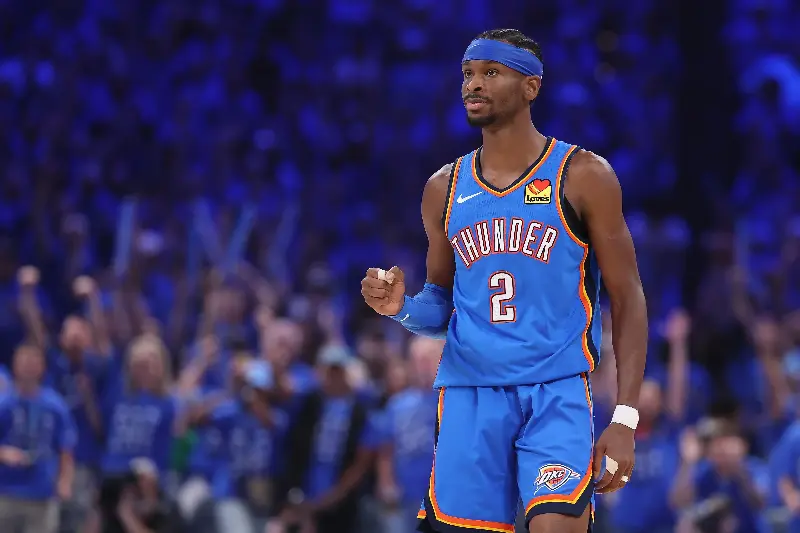
- For slippery drivers like Shai Gilgeous-Alexander, who relies on subtle angle changes and contact, analysts have cautioned that the stricter interpretation might remove some of his built-in edges if refs stop rewarding borderline arm-bar extensions or marginal bump-induced separation. Yahoo Sports recently observed that fans were quick to link the push-off emphasis to SGA’s crafty style, even though he was not referenced in the league clips.
Teams are already preparing. At Lakers camp, head coach JJ Redick and his staff received formal briefings on the points of emphasis, with local reporting noting a clear emphasis on teaching ballhandlers to “win with their body and footwork, not their off arm.” The message from Redick, who has constructed an offense around spacing and timing, is that Los Angeles must be “rule-proof” by executing through clean cuts and well-angled screens.
Around the league, defensive-oriented groups like the Timberwolves see opportunity in an environment with less offensive shoving and greater whistle protection for straight-up defenders, while teams like the Nets are openly practicing adjustments to drives, screens and off-ball actions to remain compliant with the new standard.
Will it stick — and what kind of NBA do fans get?
The initial reaction blends hope and skepticism. Some coaches and defensive players feel energized by the prospect of finally receiving a fair chance against powerful scorers; others privately worry about choppy games and foul trouble if refs apply the whistles too aggressively in October. On social media, long-time fans suggest this could “change offensive basketball forever” if enforced consistently — reducing the bulldozing and clearing-out that has become common even in routine plays.
The league, meanwhile, is supporting the approach with additional resources. In a separate announcement, the NBA disclosed it is testing smart basketballs and wearable tech in select preseason games, aiming to gather cleaner data on contact, ball trajectories and timing — details that could later aid training and accountability for officials operating under these tighter guidelines.
As the first full week of preseason begins, the key question is endurance:
- Can referees sustain this standard in January road games, not only in October clips?
- Will stars adapt creatively, or simply push back more vocally?
- And will fans accept a somewhat less chaotic style of offense if it restores greater balance and drama on both ends?
For now, coaches are drilling, players are testing adjustments, and every early whistle carries added weight. If the NBA follows through, the 2026-27 season might be remembered less for any single superstar and more for the year the league attempted to re-center the rules — and finally gave defenses a legitimate opportunity.